Reha Sport Prävention Symposium: rückblick & ausblick
24 - 25 October | ulm, germany
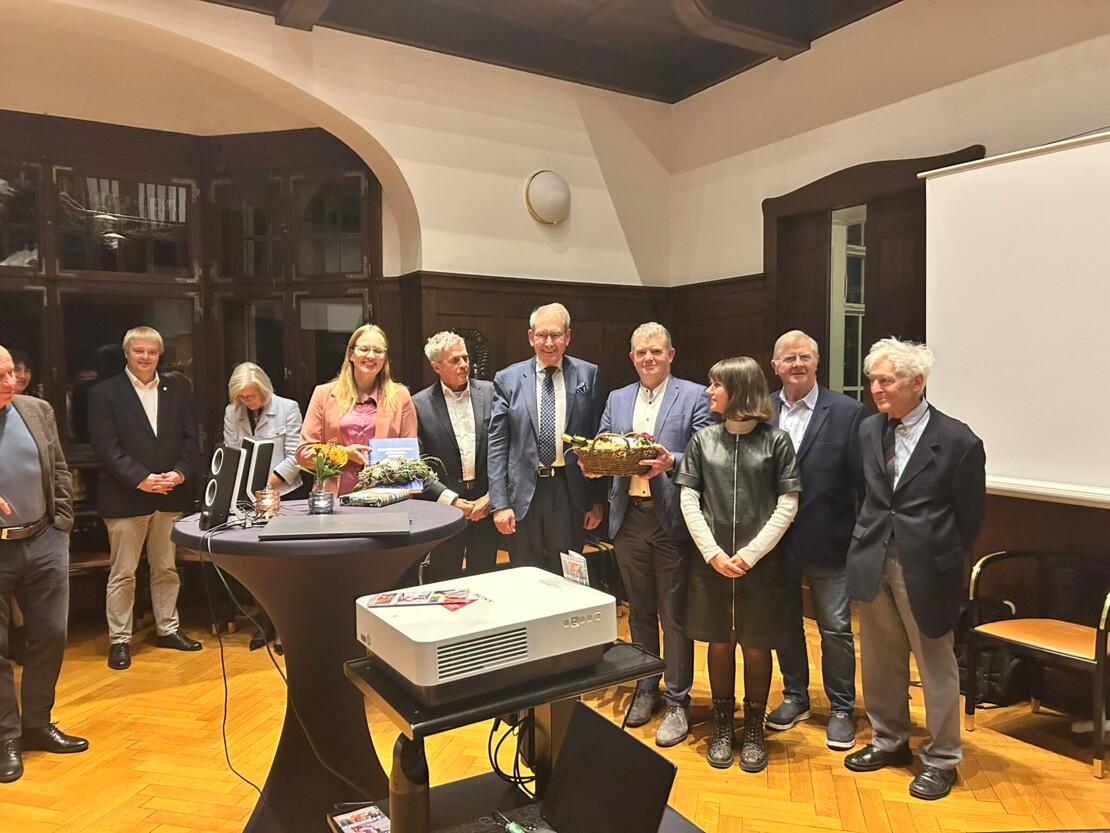
Organized by Prof. Dr. med. Dr. h.c. Jürgen M. Steinacker on behalf of the European Initiative for Exercise in Medicine e.V. and the Institute for Rehabilitation Medicine Research at the University of Ulm (IfR Ulm), this two-day conference brought together leading experts in sports medicine, rehabilitation, and prevention to discuss current research and future perspectives in the field.
ABOUT THE PROGRAMME
The conference opened with a meeting of the editorial board of the German Journal of Sports Medicine, followed by a Young Researcher Forum, which featured a presentation on the Healthy Lifestyles for Europe (HL4EU) project, showcasing good practices in public health for the promotion of healthy lifestyles.
Sessions throughout the two days covered a wide range of topics, including:
- Performance physiology: lactate metabolism and training strategies on the road to LA 2028
- Climate and environment: managing heat and promoting active lifestyles amid climate change
- Translational research: findings from the WADA-ELSA study on inhaled beta-agonists
- Clinical sports medicine: cardiorespiratory fitness and longevity, injury risk management in professional football, and integrative sports therapy for diabetes and obesity
- Exercise is Medicine & Rehabilitation: digital health applications, prehabilitation, and the European Initiative for Exercise in Medicine
- Perspectives in sports medicine: from randomized controlled trials to molecular research in clinical practice
The event concluded with an evening session titled
"Medicine for Sport, Rehabilitation and Prevention",
including welcome addresses and a musical performance by Daniel Kern and Lemonadefizz.
On the second day, sessions focused on Exercise is Medicine and the urgent need for political action on physical inactivity, followed by an in-depth block on Post-COVID and ME/CFS, featuring research updates (including the Baden-Württemberg EPILOC study) and a patient forum giving voice to those affected by post-viral illness.
global alliance day at the
sports, medicine & health summit (SMHS) 2025
26 - 28 June | congress center hamburg (CCH), ger
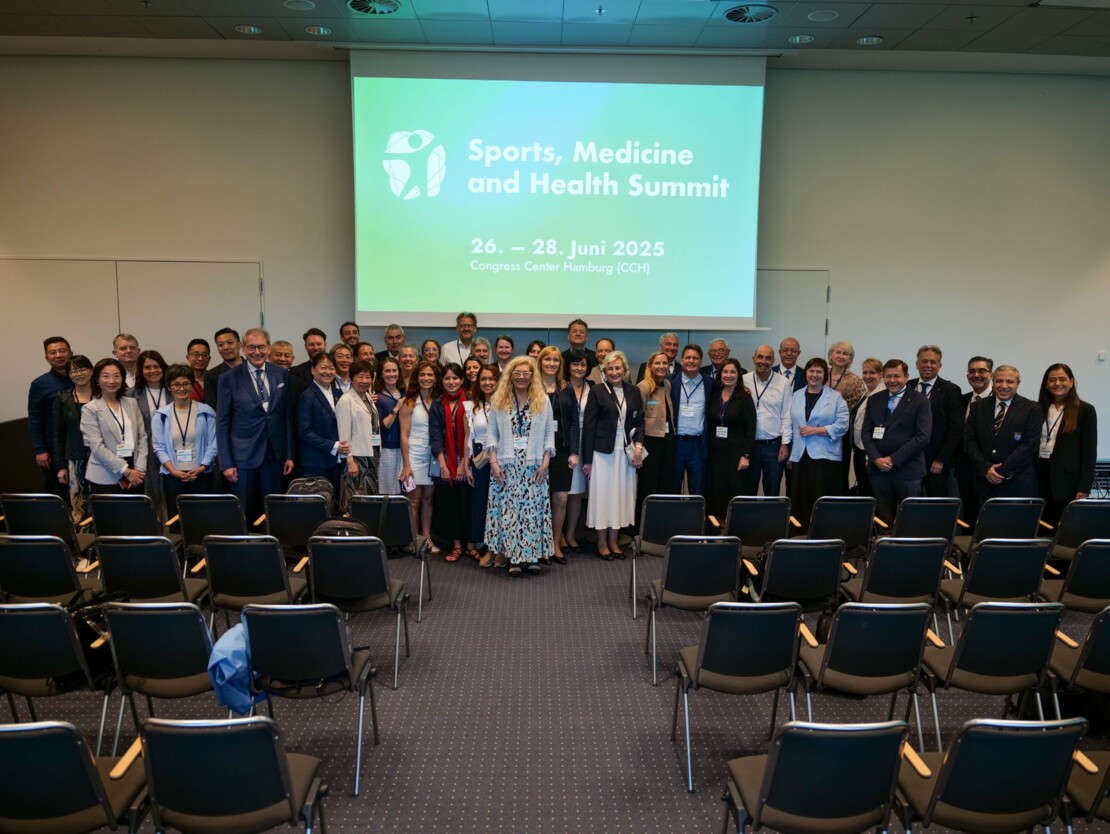
The Global Alliance for the Promotion of Physical Activity, an initiative supported by the IOC and FIMS together with numerous signatories, held its Global Alliance Day at the International Sport & Exercise Medicine Summit (SMHS) in Hamburg. The initiative brought together professionals from across sports science, medicine, therapy, nutrition, psychology, education, and related disciplines, united by a shared vision: to move people. Its goal is to make physical activity, sport, and exercise fundamental components of both individual and societal health, supported by all relevant institutions.
The centerpiece of the day was the formal signing of the 2025 Hamburg Declaration on Sport, Health and Human Performance, bringing together a powerful coalition of sports medicine, public health, academic, athlete-representation, and policy organizations in a shared commitment to safeguard health, promote inclusivity, and support sustainable human performance across all levels of sport and physical activity.
Implementation of the Declaration will be supported by the International Federation of Sports Medicine (FIMS), in close collaboration with all partner organizations that have endorsed it through the Global Alliance for the Promotion of Physical Activity.
Voices from the Global Alliance Day
- Prof. Uğur Erdener (President, SportAccord): "The Hamburg Declaration moves from paper to practice today."
- Prof. Fabio Pigozzi (President, FIMS): described the moment as a defining one for sports medicine and global health.
- Prof. Yannis Pitsiladis (Chair, FIMS Scientific Commission): highlighted that only 17% of UN Sustainable Development Goal targets are currently on track, calling for "angry optimism" to close the gap between science and policy.
- Prof. Jürgen Steinacker (Convener of Global Alliance Day, FIMS delegate): called the Declaration "the beginning of a global movement."
- Prof. Christine Joisten (President, DGSP): affirmed DGSP's pride in hosting the summit and the Global Alliance.
- Dr. Carrie Jaworski (President, ACSM): reaffirmed ACSM's long-standing partnership and commitment to translating the Declaration into science-driven action.
Implementation Framework
The rollout will be driven by four Continental Sports Medicine Associations and 117 National Sports Medicine Associations, representing 125,000 sports physicians across 117 countries. Academic institutions, athlete groups, public health agencies, NGOs, and sport governing bodies will embed the Declaration's principles into their programmes, regulations, education systems, and research priorities.
Key Action Pillars
- Evidence-based policy and practice to protect and enhance participant health
- Inclusive sport systems championing equity, diversity, and accessibility
- Scientifically grounded performance models balancing excellence with long-term wellbeing
- Sustained global collaboration across sport, health, education, and public policy sectors
olympsim365 summit
3 - 5 June | Lausanne, switzerland
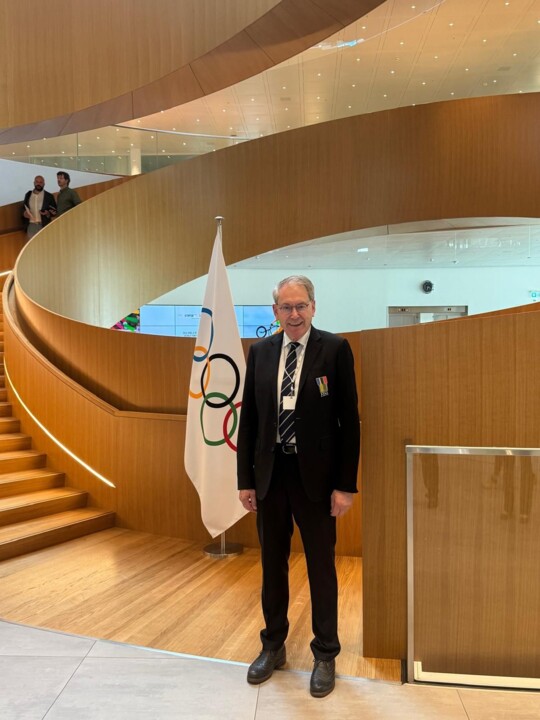
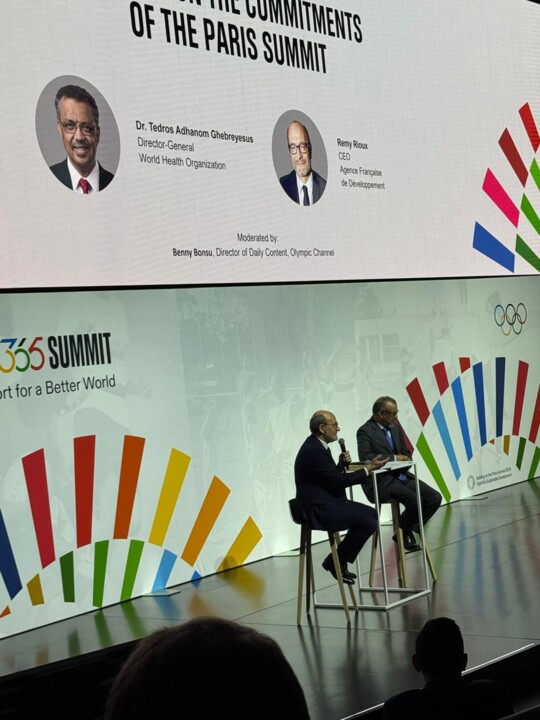
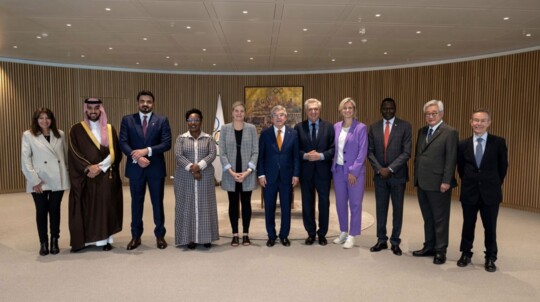
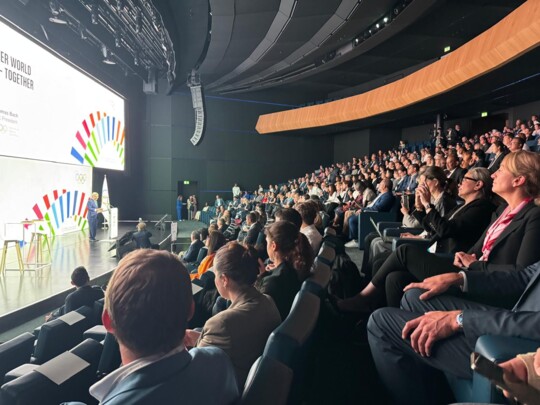
Prof. Dr. Jürgen Michael Steinacker, Chair of the European Initiative for Exercise in Medicine (EIEIM), represented the Global Alliance for the Promotion of Physical Activity and the Eurpean Initiative for Exercise in Medicine at the first-ever Olympism365 Summit: Sport for a Better World, held from 3–5 June 2025 in Lausanne, Switzerland.
The summit brought together over 250 representatives from more than 100 organizations across the Olympic Movement, United Nations agencies, development and financing institutions, civil society, and for-purpose business, working together to advance the UN Sustainable Development Goals (SDGs) through sport.
Steinacker's participation underscored the Global Alliance's commitment to supporting the Olympic Movement's goals and its broader call to action on physical activity and health.
Among the summit's key messages, WHO Director-General Dr. Tedros Adhanom Ghebreyesus highlighted that non-communicable diseases (NCDs) are now responsible for 70% of all premature deaths worldwide, and that the answer lies not in building more hospitals, but in investing in healthy lifestyles and physical activity. He pointed to safe cycling paths and walkable spaces as achievable, community-level solutions.
IOC President Thomas Bach emphasized that sport is health, that it contributes directly to the UN Sustainable Development Goals, and that it builds strong social partnerships. Through Olympism365, he noted, the IOC fosters cooperation across UN agencies, National Olympic Committees, NGOs, and governments.
Reflecting on the summit, the Global Alliance for the Promotion of Physical Activity expressed pride in contributing medical and scientific expertise to this effort, working to align the healthcare sector with the sustainable development goals of both the UN and the IOC.
ACSM Annual meeting
28 - 31 may | boston, usa
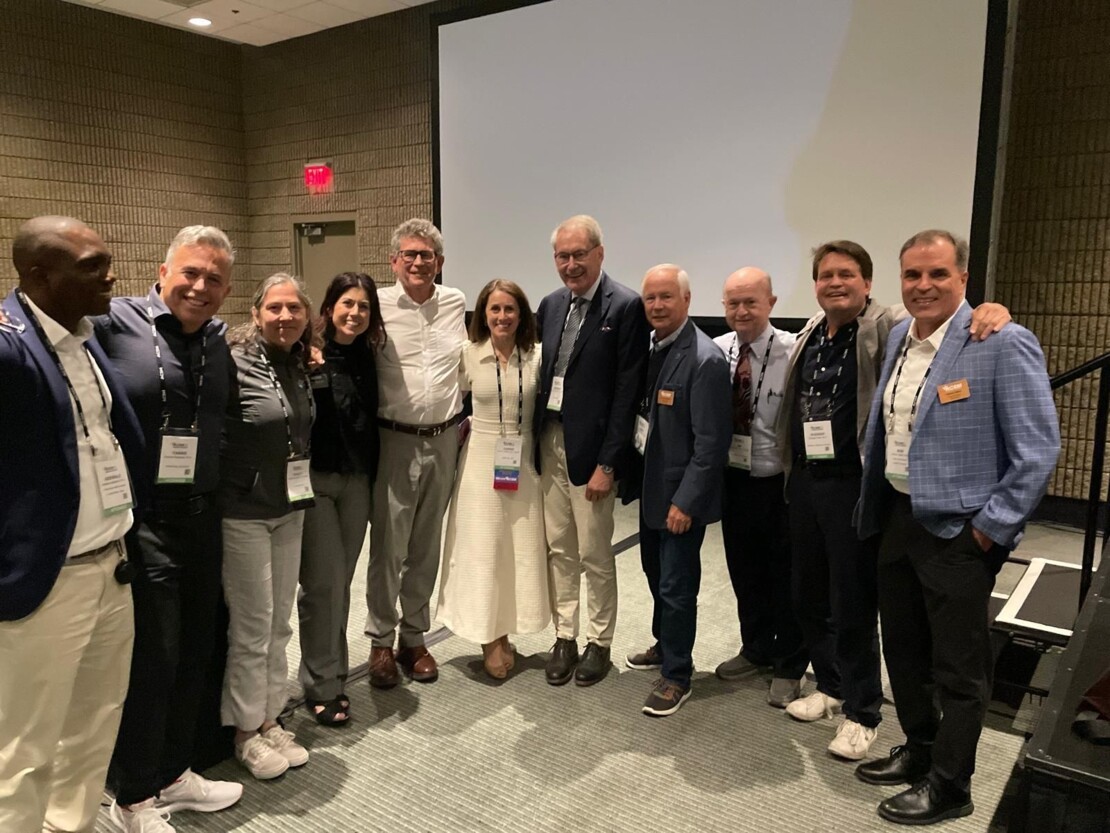
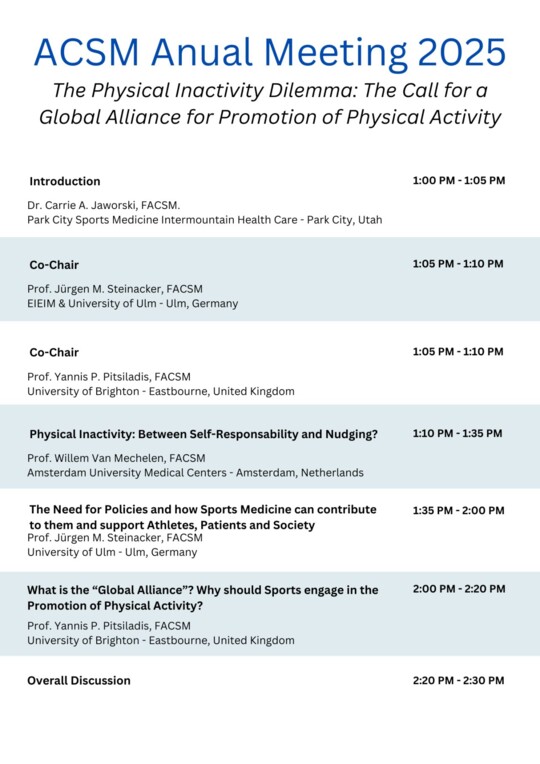
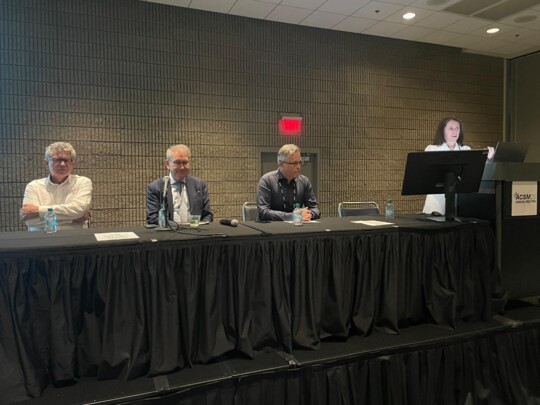
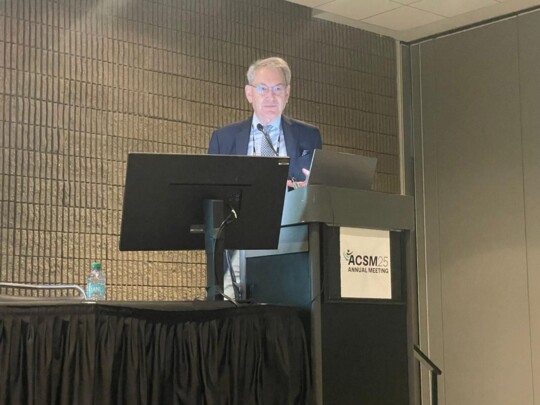
Members of the Board of the European Initiative for Exercise in Medicine (EIEIM) took part in the American College of Sports Medicine (ACSM) Annual Meeting 2025, a major gathering of global leaders in sports and exercise medicine.
Discussions centered on some of the field's most pressing issues, including physical inactivity, and the balance between self-responsibility and nudging strategies, the importance of effective health policy, and the broader role of sports medicine in supporting not only athletes and patients, but society as a whole. EIEIM board members also had the opportunity to present and exchange ideas on the Global Alliance for the Promotion of Physical Activity with peers and partners.
The EIEIM delegation included Prof. Jürgen Michael Steinacker (EIEIM Chair), Prof. Yannis Pitsiladis, Dr. Carrie Jaworski, Prof. Anastasia Fischer, Katie Feltman, Prof. Willem van Mechelen, Prof. Larry Durstine, Prof. Jim Skinner, Prof. Rüdiger Reer, Dr. Robert Sallis, and Dr. Adewale Adebero.
3rd arts & mental health festival
22 - 24 May | aegina, greece
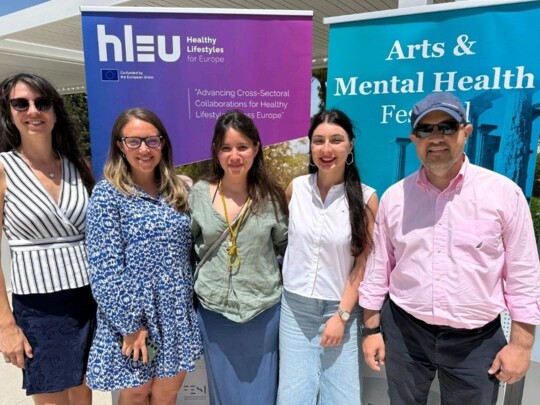
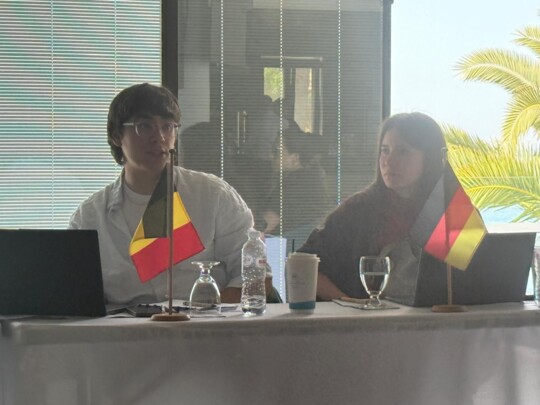
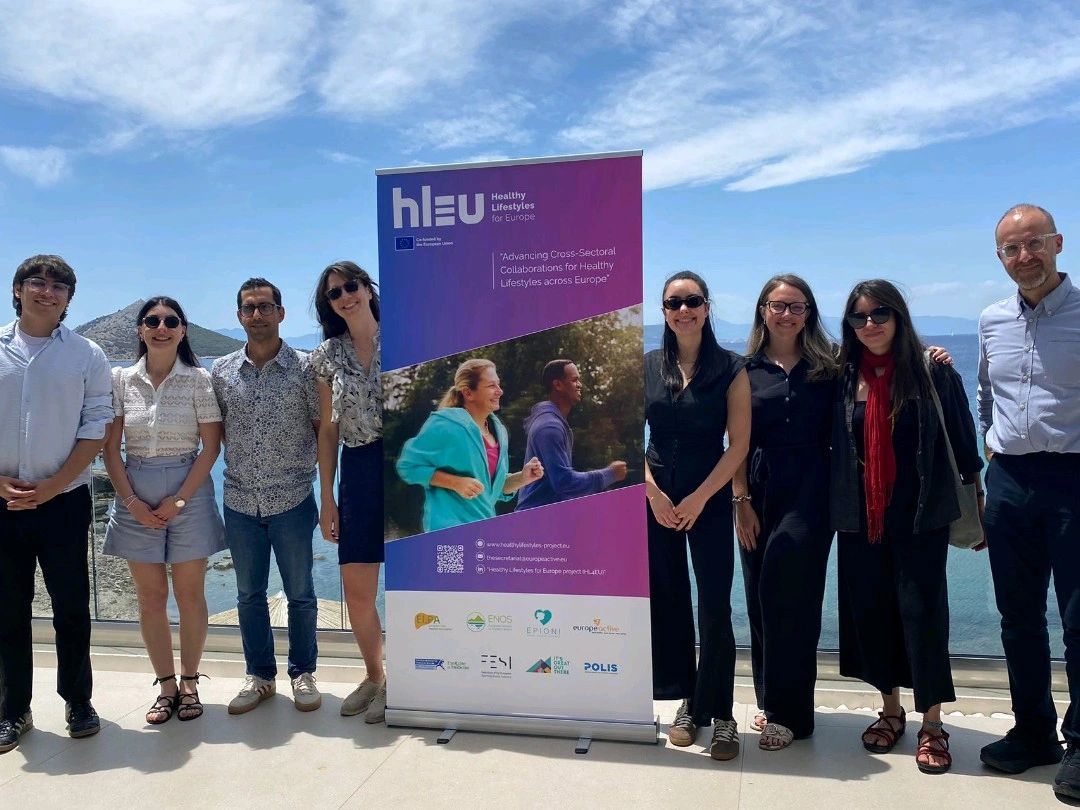
EIEIM took part in the 3rd Arts & Mental Health Festival, held on the island of Aegina, Greece, and hosted by EPIONI. The festival brought together organizations and researchers working at the intersection of arts, mental health, and community wellbeing.
As part of the programme, EIEIM's Scientific Project Manager, Luz Divina De La Cruz Lastre, presented the HL4EU database analysis of good practices, developed as part of the Healthy Lifestyles for Europe project (HL4EU), co-funded by Erasmus+, in collaboration with project partners. The presentation drew on 12 Python-based visualization analyses, offering both quantitative and qualitative insights into practices that promote healthy, active lifestyles across Europe. These analyses have since been made openly available via GitHub.
The event offered an opportunity for EIEIM to connect with the local host organization and contribute its expertise to a broader, cross-sector conversation on health promotion, reflecting the collaborative, interdisciplinary spirit that underpins the HL4EU project.
EIEIM's continued involvement in HL4EU also includes a desk research guideline, developed to define and standardize the categories used across the project's database of good practices.
The HL4EU database remains open for contributions from organizations and practitioners across Europe interested in sharing good practices for promoting healthy, active lifestyles.
EIEIM at FIBO 2025: Exercise is medicine day
11 april | cologne, germany
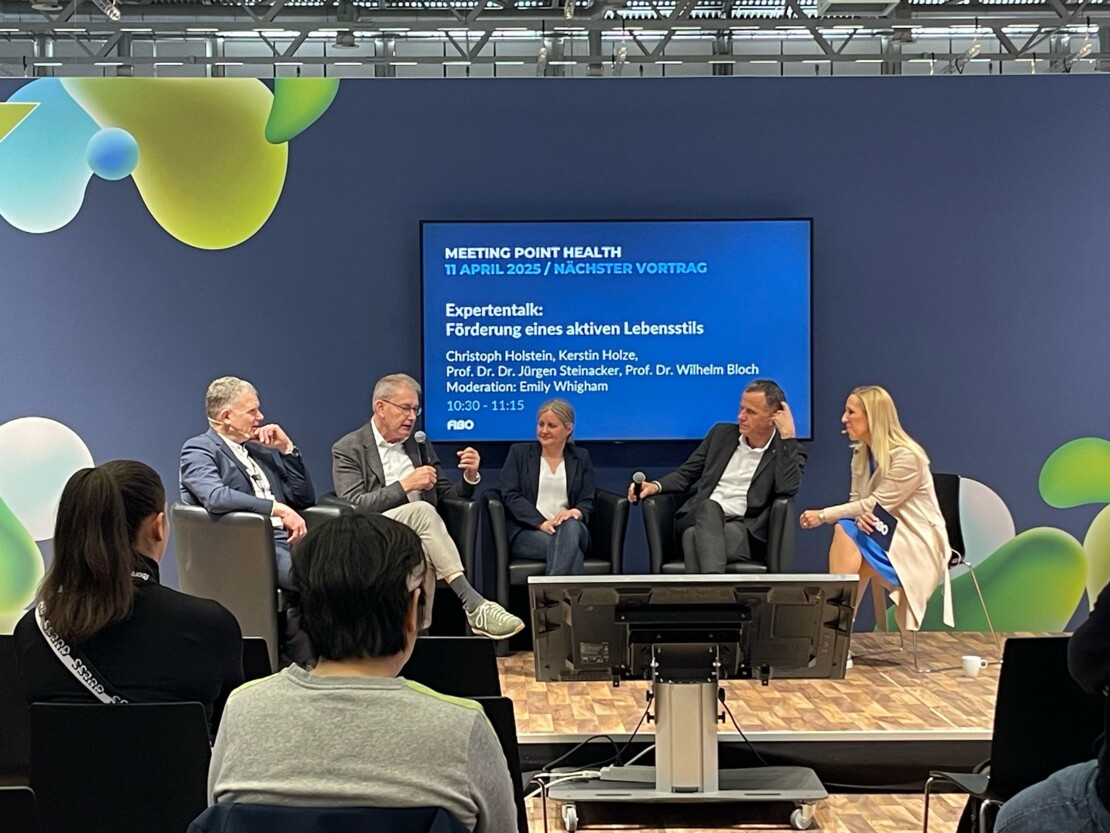
The European Initiative for Exercise in Medicine (EIEIM) took part in FIBO 2025, the leading international event for health, exercise, sports, and innovation.
Together with Exercise is Medicine Germany, EIEIM co-hosted the Exercise is Medicine Day, held at the Meeting Point Health on 11 April 2025, spotlighting the role of physical activity and prevention in healthcare.
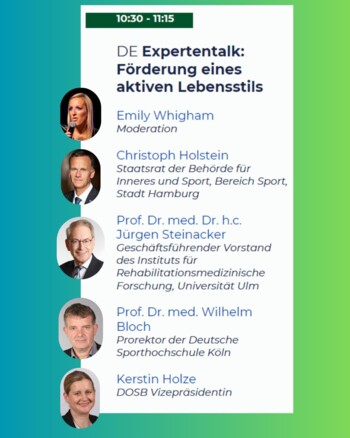
Moderated by Emily Whigham, the event featured an expert panel bringing together leading voices in the field: Prof. Dr. Jürgen Michael Steinacker (EIEIM Chair), Prof. Dr. Wilhelm Bloch, Kerstin Holze, and Christoph Holstein, State Councillor at the Ministry of the Interior and Sport of the City of Hamburg.
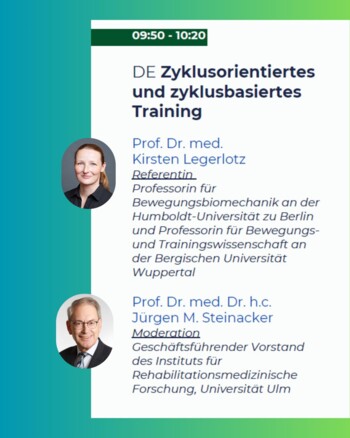
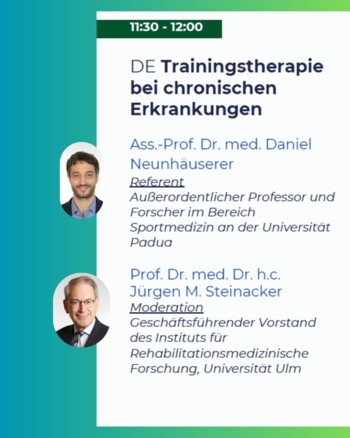
EIEIM was also pleased to host Prof. Dr. Kirsten Legerlotz and Prof. Daniel Neunhäuserer, who contributed their expertise in collaboration with Exercise is Medicine Italy, further enriching the dialogue around movement, medicine, and public health.
The Exercise is Medicine Day at FIBO 2025 brought together researchers, clinicians, and policymakers to foster interdisciplinary collaboration and advance physical activity as an essential component of healthcare, reflecting EIEIM's ongoing mission to bridge science, practice, and policy across Europe.