we thank EIEIM sponsors!
for their collaboration and commitment to implement exercise in medicine and the promotion of health via physical activity and sports


--------------------------------------------

12th EIEIM Conference at the
sports, medicine and health summit (SMHS)
hamburg, germany | june 28, 2023
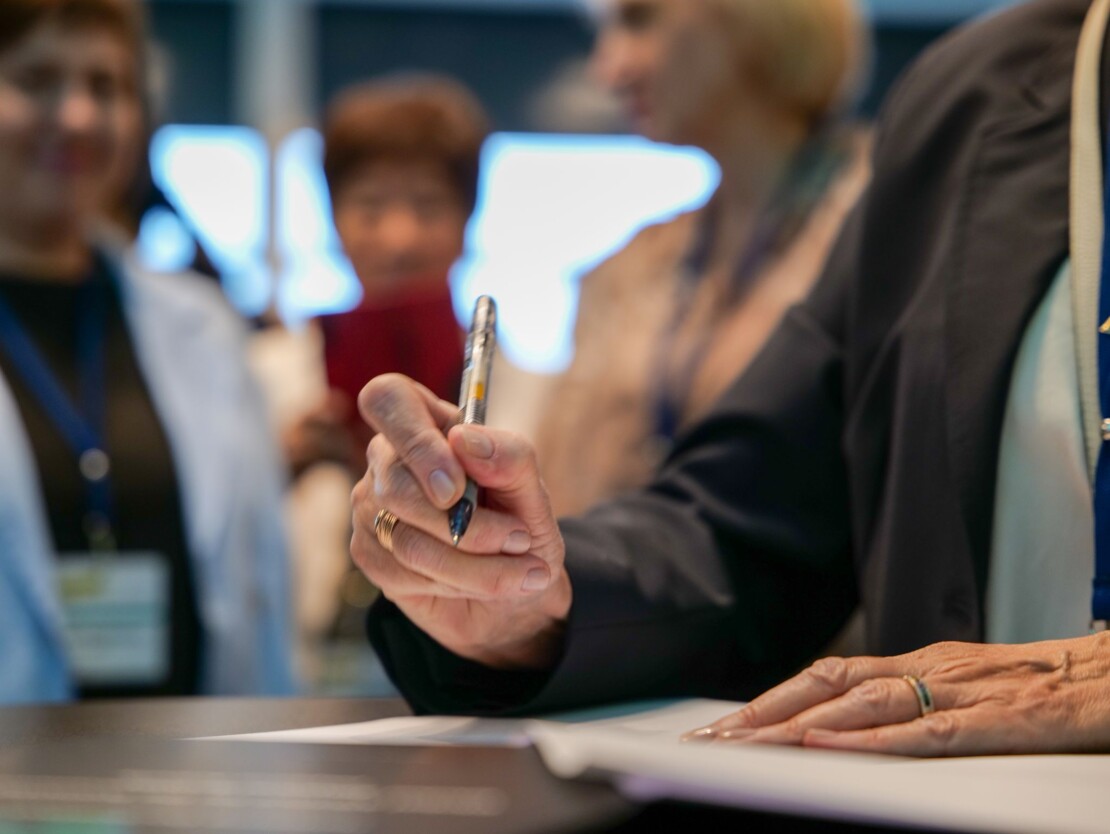
The 12th Annual EIEIM Conference took place in Hamburg, held in conjunction with Global Alliance Day at the International Sport & Exercise Medicine Summit (SMHS). The event brought together sports medicine, public health, academic, athlete-representation, and policy organizations from across Europe and beyond, united by a shared commitment to physical activity, health, and sustainable human performance.
The highlight of the day was the formal signing of the 2025 Hamburg Declaration on Sport, Health and Human Performance, marking a major milestone for the Global Alliance for the Promotion of Physical Activity — an initiative supported by the IOC and FIMS, among many other signatories. Speakers included Prof. Uğur Erdener (SportAccord), Prof. Fabio Pigozzi (FIMS), Prof. Yannis Pitsiladis (FIMS Scientific Commission), Prof. Jürgen Steinacker (Convener of Global Alliance Day and FIMS delegate), Prof. Christine Joisten (DGSP), and Dr. Carrie Jaworski (ACSM).
The Declaration will be implemented with the support of four Continental Sports Medicine Associations and 117 National Sports Medicine Associations, representing 125,000 sports physicians in 117 countries, forming the medical backbone for its rollout across academic institutions, athlete groups, public health agencies, NGOs, and sport governing bodies.
We thank all the EIM National Centers and institutional members for their support and for coming to Hamburg.
11th EIEIM Conference
at the sports, medicine and health summit (SMHS)
hamburg, germany | june 23, 2023
The 11th Annual Congress of EIEIM was held in Hamburg, Germany, on June 23, 2023. The conference was hosted by the European Initiative for Exercise in Medicine (EIEIM) (Chair: Prof. Dr. Jürgen Steinacker) in conjunction with the Sports, Medicine and Health Summit (SMHS). Our Global Alliance Day 2023 brought together various major global institutions, stakeholders, scientists and policymakers to present their findings on physical activity and its lack in the population. The venue of the congress was the Congress Center Hamburg, where at the same time the Sports, Medicine and Health Summit brought together many physicians, sports scientists and other stakeholders to generate scientific exchange.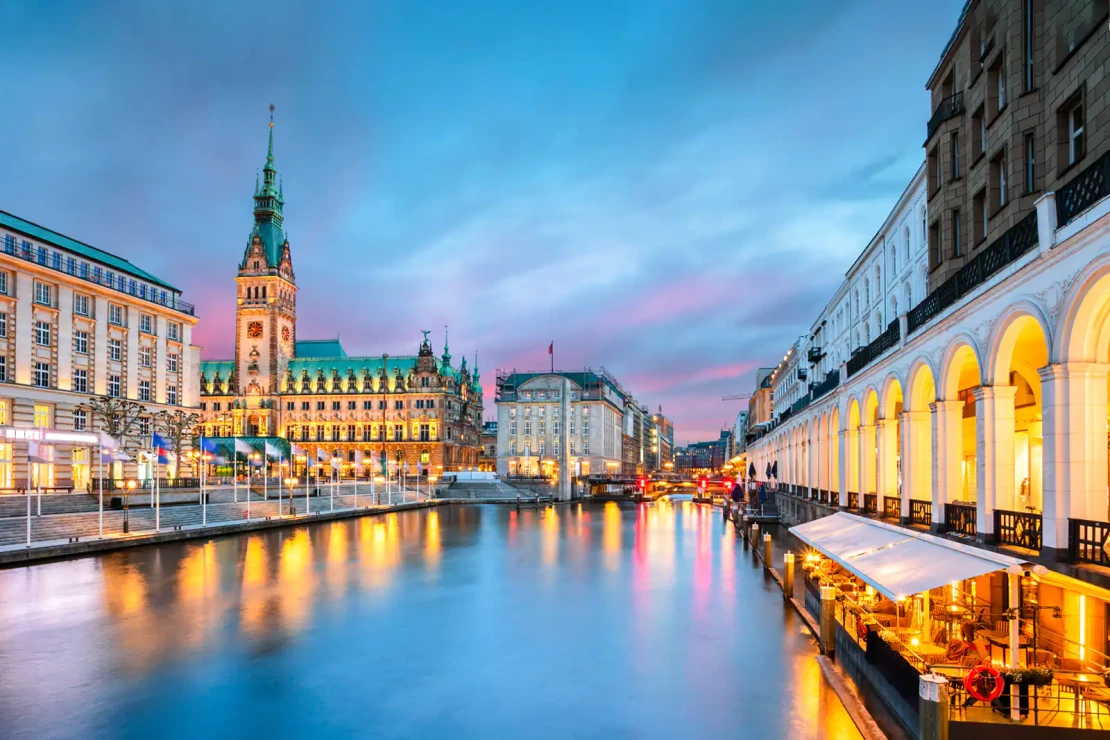
PADUA, BOTANICAL GARDEN | OCTOBER 27-29, 2022
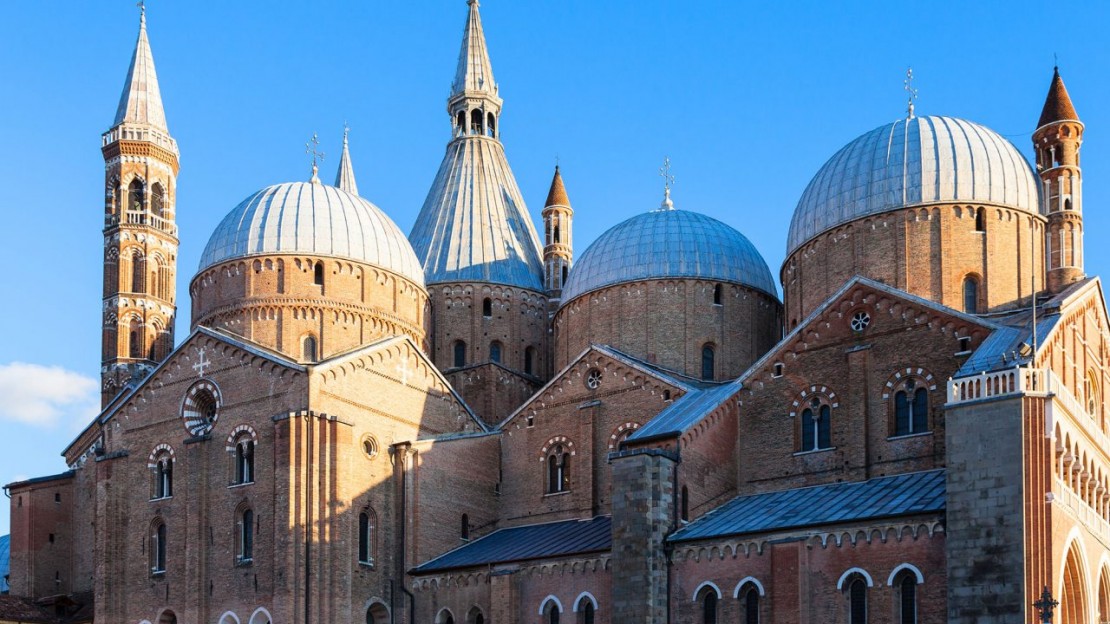
The 10th annual congress of EIEIM was held from October 27 to 29, 2022 in Padua, Italy. The conference was hosted by Prof. Andrea Ermolao, MD, and Daniel Neunhäuserer, MD, vExercise is Medicine (EIM) Italy and opened by Prof. Jürgen M. Steinacker, MD, PhD, of the European Initiative for Exercise in Medicine (EIEIM). During the conference, various global stakeholders, scientists and physicians presented their research. The location of the congress was the prestigious Botanical Garden of Padua, where we could listen to interesting sports medicine lectures, fitting to the 800th anniversary of the University of Padua.
Together with Exercise is Medicine Italy, a scientific congress on interesting sports medicine and sports science topics was held. Various international speakers were present to talk about the desire for a global change regarding the physical activity of the population. One idea is to incorporate physical activity into future medical treatment plans. The following 10 key learnings describe the most important scientific findings presented at the congress:
Physical inactivity as a major global problem
To address the global problem of physical inactivity in the population, it is important that the issue be discussed in public. Initiatives such as the European Initiative for Exercise in Medicine e.V., Exercise is Medicine or even Moving Medicine try to highlight the reasons for integrating sport and exercise into the treatment plans of patients in clinics and medical practices, for example the cost-effective prevention of various societal diseases of the musculoskeletal system, metabolism or psyche.
Digital technologies must be simple and smart
In order for physical activity to be measured and performed in the clinical setting with the help of digital technologies, it is important that the technical solutions are easy and quick to use and enable valid measurements. This is the only way to ensure that the equipment is suitable for everyday clinical use and can be used to support patients' physical activity or for data collection by scientists.
More motivation for physical activity through digital technologies
Through the use of digital media, individuals can be motivated to make a greater commitment to their own health in terms of increasing physical activity. Digital technologies, for example, offer the possibility of recording and analyzing one's own workouts and sending motivational messages. Together with guidance on how to use the technologies correctly, this would be a possible approach to positively change society in terms of physical activity.
Healthy diet and physical activity keep the body's cells healthy
Mitochondria are cell organelles and are found in our body cells. As so-called "power plants of the cells", they produce adenosine triphosphate (ATP), which serves the human body as an energy carrier and is needed throughout the body. Physical activity requires the mitochondria to work more intensively, which, together with a healthy diet, can have a positive effect on the health and function of these important cell organelles and thus lead to better cell health in the organism.
Physical activity has a protective effect on nerve cells
Not only athletic training, but also other types of physical activity, for example, everyday exercise or a round of dancing, can have a protective effect on the body's peripheral and central nerve cells, and thus on the musculoskeletal system. Physical activity can reduce small inflammatory processes and neuronal cell death, which in turn can counteract muscle loss and loss of cognitive performance.
Muscle loss and bedriddenness in old age "don't have to be".
Aging processes and sedentary behavior often lead to rapid loss of muscle mass in the elderly. The disappearance of important muscles can be accompanied by immobility and even bedriddenness. To counteract muscle loss in old age in a targeted manner, it is important that older people receive adapted exercise programs and that strengthening physical activity takes place on a regular basis: "It is not normal to lose muscle".
Significantly reduced risk of death through physical activity
Physical inactivity has become a global problem in recent decades, yet physical activity is one of the factors that has been shown to reduce the risk of death. It is important to be physically active on a regular and continuous basis. Not only sports activities such as going for a jog or fitness training, but also ordinary activities as part of everyday life are helpful, such as household and family activities or an active commute to work. People who exercise regularly live longer.
Incorporate physical activity into clinical treatment plans
Treatment of patients in clinics and physicians' offices does not currently include a prescription for exercise or physical activity, even though physical activity has been shown to help against many non-infectious diseases. Therefore, a global goal of Exercise in/is Medicine is to ensure that physical activity is built into treatment plans for patients on an individual basis. Thus, for example, even before musculoskeletal surgery, physical training could be used to prescribe therapy in an adapted manner.
Improving nutrition and weight management through physical activity
Regular exercise and training can have a positive effect on nutritional behavior and weight management. In the medical setting, nutritional counseling, exercise counseling, and psychological support are also available for targeted physical activity and achieving weight loss and/or a healthy diet.
Improved blood pressure and adjusted blood glucose through sport and exercise
Regular targeted physical activity can not only bring weight loss, but also lead to improved insulin sensitivity, which in turn can lead to healthy blood sugar levels. Regular physical activity also has a positive effect on vascular function and thus on blood pressure.
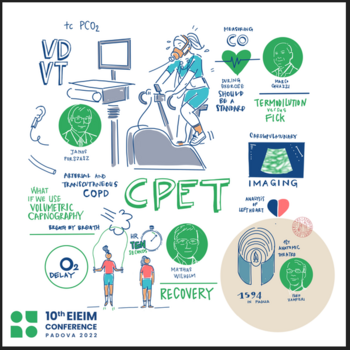
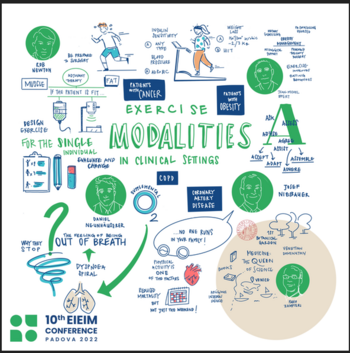
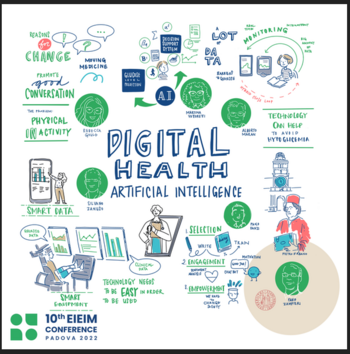
At our EIEIM conference in Padua in October 2022, live images were sketched during the scientific sessions, summarizing the topics of the presentations in the sessions:
Hamburg, April 20-24, 2021 virtual
Sports, Medicine and Health Summit 2021
Due to the Corona Pandemia the 9th EIEIM Conference had to take place virtually. The 9th Congress of Exercise is Medicine Europe was part of the "Sports, Medicine and Health Summit" with Prof. Dr. med. Dr. h. c. Jürgen M. Steinacker as congress president. It is planned to host this event every two years in Hamburg.
The Conference was opened by the signing of the Hamburg Declaration. The Hamburg Declaration supports the importance of physical activity for the entire population and particularly for the Healthcare sector. We thank you all for signing the 2021 Hamburg Declaration. We are happy that we gained the support of so many society and associations, particularly the support of the International Sports Medicine Federation, The European Sports Medicine Association, The International Olympic Committee and many others from all over the world.
During the Conference 6 EIEIM National Center Leaders from Ireland, The Netherlands, Israel, Italy, Poland and Germany, presented their best practise examples and concepts and showed how they support the Exercise is Medicine Initiative.
Amsterdam, September 20-21, 2019
Healthy active ageing
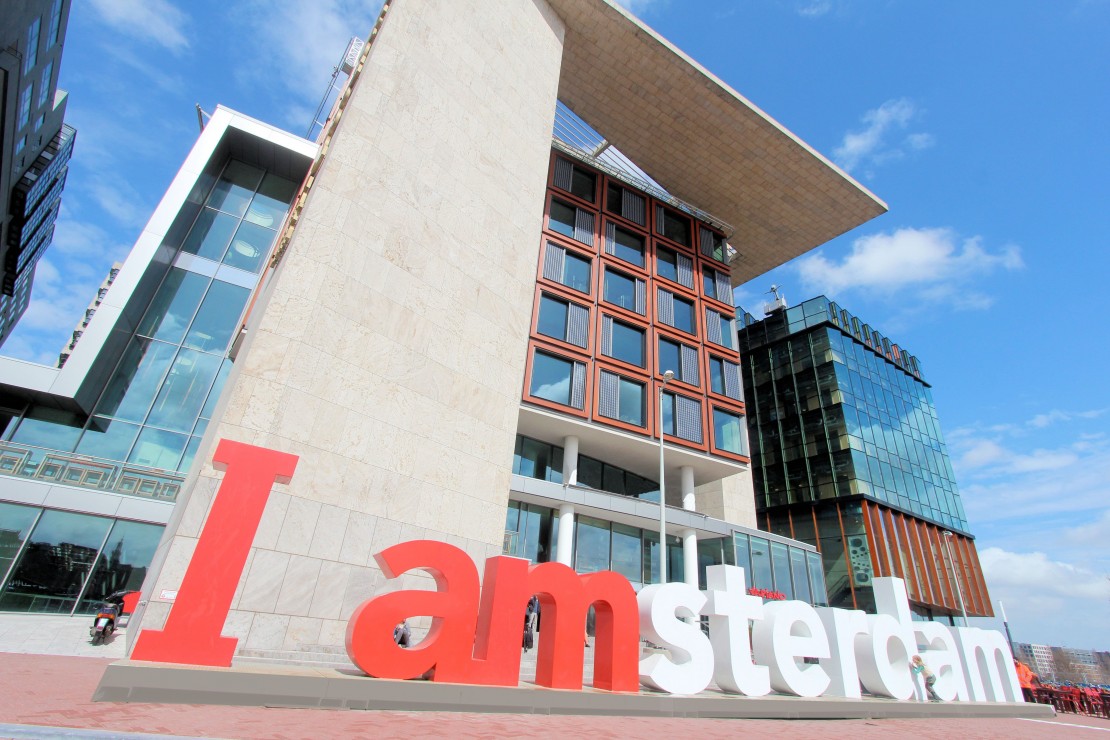
The 8th EIEIM Conference took place at the Public Library of Amsterdam. The Conference was opened by its organizer Prof. Willem van Mechelen (Amsterdam UMC), Prof. Jürgen Steinacker (University of Ulm, Exercise is Medicine Germany) and Fabio Pigozzi, President of the International Federation of Sports Medicine. Within two days well-known speakers lectured about Settings, Disease specific EIM, EIM for the young, EIM for persons with a disability and Future developments.
It was a special honor to listen to lectures held by Kathryn Schmitz ACSMs past president about EIM for cancer patients and Menno De Bree who held an excellent contribution on the ethics of EIM.
Warsaw, September 21-22, 2018
Where Medicine meets Exercise and Health Promotion
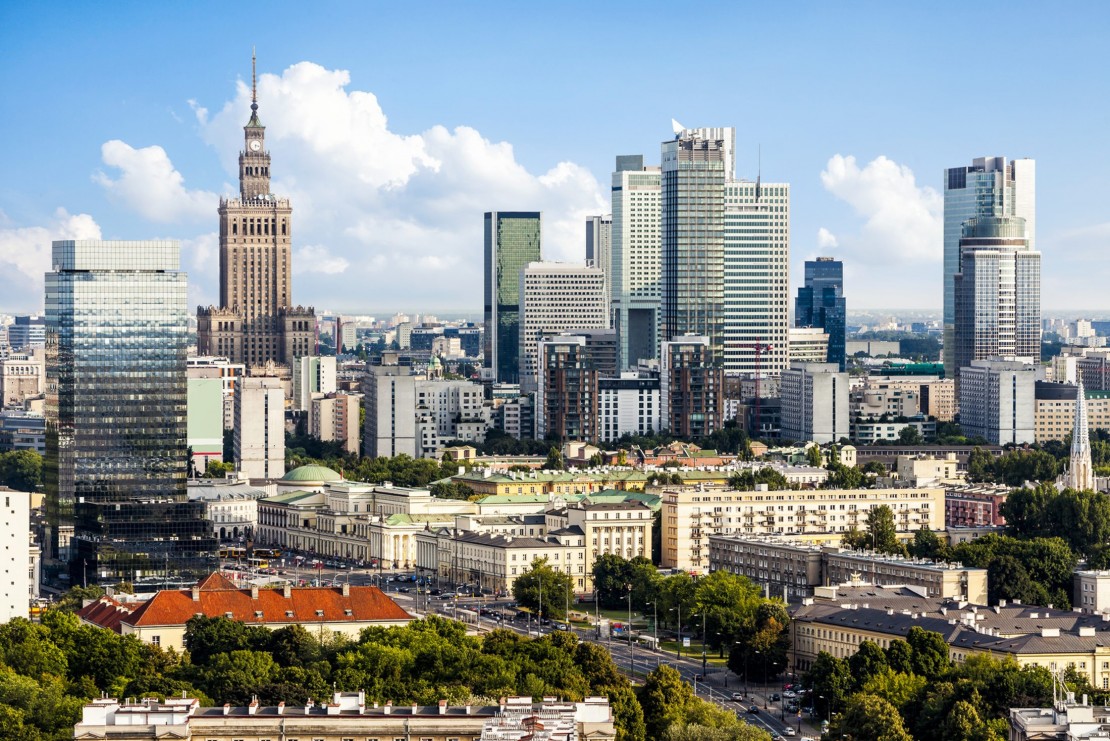
The 7th EIEIM Conference took place at the Medical University of Warsaw. Within two days well-known speakers lectured about exercising with chronic diseases, physical activity of the elderly and sedentary behaviours as well as the implementation of health policies.
It was a special honor to listen to lectures held by Hubert Krysztofiak from the Olympic Committee of Poland and Anthony Perl from Canada, who is a specialist for urban studies and political science. The walk with the doctor, staged during lunch time, had a high fun factor and showed an example for active breakes to the audience.
Lisbon, September 15-16, 2017
Where exercise science meets medicine and health promotion
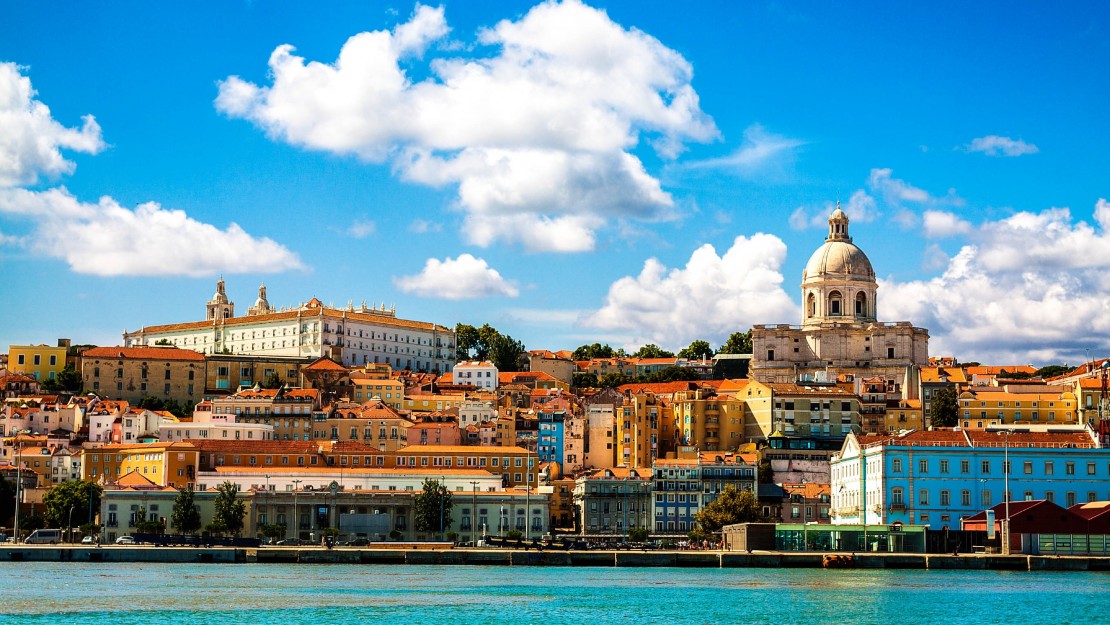
The 6th EIEIM annual conference was with more than 250 participants as well as well-known scientific speakers from the USA, Canada, Sweden, Norway, Denmark, England, Germany, the Netherlands and Portugal a great success. Due to the large number of participants, the conference was displayed via a live stream into the foyer and transmitted to the Internet, so that those who were interested could watch from everywhere.
The Conference was opened by its organizers Prof. Luis B. Sardinha (University of Lisbon, Exercise is Medicine Portugal), Prof. Jürgen Steinacker (University of Ulm, Exercise is Medicine Germany) and the head of the Portuguese Directorate-General for Health Francisco George. The aim of the conference was to bring together different professions and to discuss new insights and knowledge on the subject of "Where exercise science meets medicine and health promotion".
Copenhagen, September 5-6, 2016
Exercise and ageing - From hospital care to secondary prevention and ageing athletes
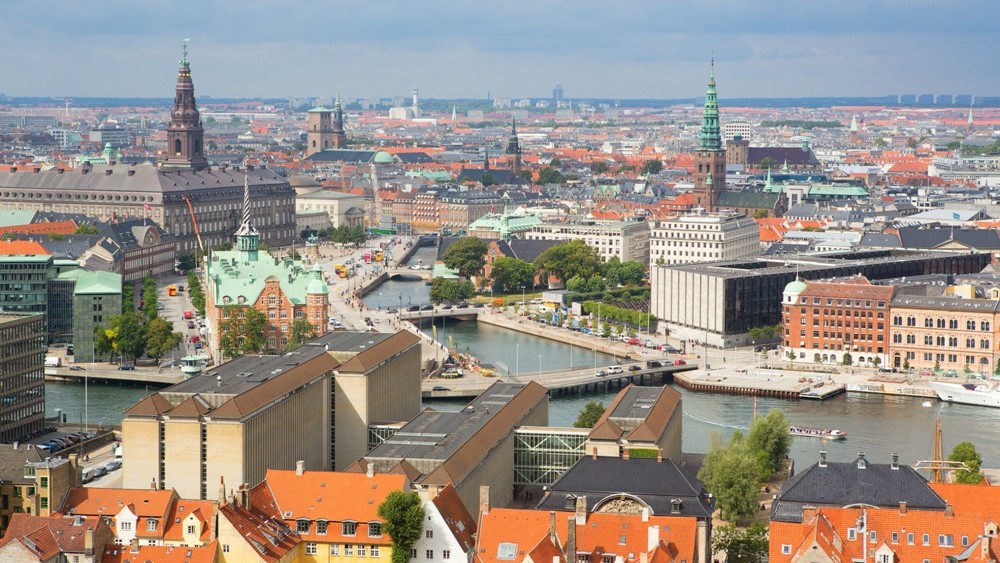
The 5th EIEIM annual conference took place under the patronage of HRH Princess Benedikte of Denmark with over 200 registered participants and was a great success, both for the local organizers (Prof. Bente Klarlund Pedersen, center of inflammation and metabolism, CIM, Copenhagen) as well as EIEIM (Prof. Jürgen Steinacker, University of Ulm).
Under the theme „exercise and ageing“, latest data on the effectiveness of physical activity for the prevention and treatment of chronic diseases such as diabetes, COPD, osteoporosis and cancer were presented. Although the evidence for the health-promoting effect of physical activity („Exercise is Medicine“) is already proven, new ways must be found to motivate people to be more active in everyday life as well as to improve the attractiveness of health-promoting interventions in the health care system.
Zagreb, September 18-19, 2015
Rebranding medical counseling for health
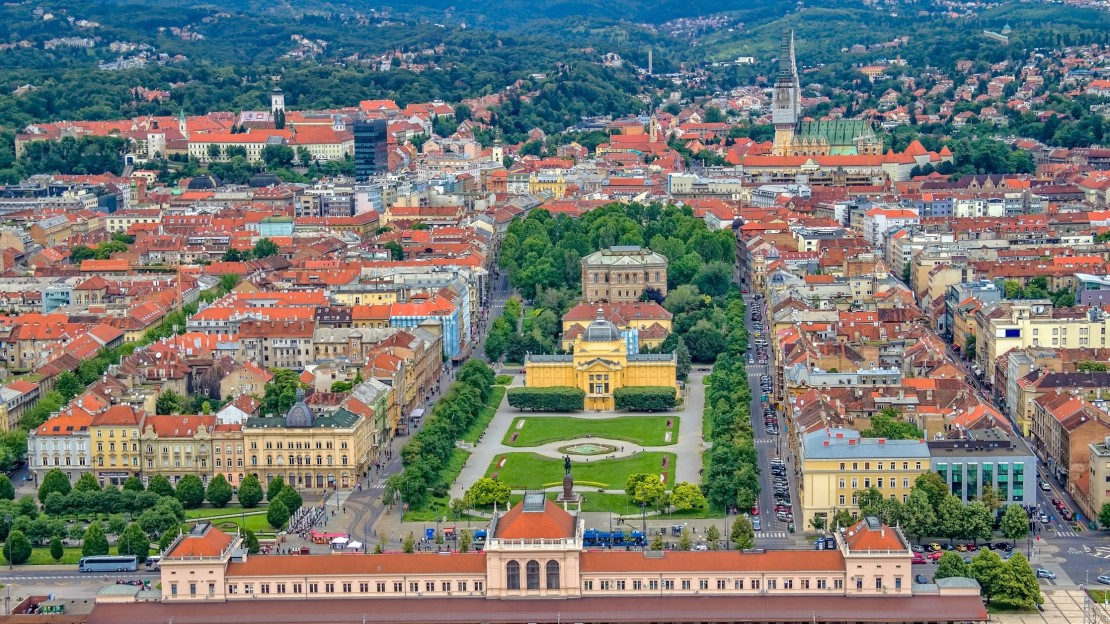
The 4th EIEIM annual conference was organized by the Croatian „Fitness Academy Zagreb“ under the theme "rebranding medical counseling for health". The range of topics of the conference included country-specific aspects relevant for the introduction and further development of EIM concepts in the health care system. A major challenge for the European Initiative is the implementation of uniform concepts (e.g. physical activity assessment by the general practitioner) in view of the different health care systems in various European countries.
A total of 14 lectures on the two conference days were held by well-known European health experts and scientists to provide insight into the current state of the EIEIM Initiative in Europe. At the same time, challenges and solution approaches for the implementation of the EIM programs (e.g. through new media) were stimulated and proposals for the unification of fitness tests, refferals and prescriptions in the health care system were presented.
3rd EIEIM Conference
Budapest, September 15-16, 2014
Best Practice of Exercise is Medicine
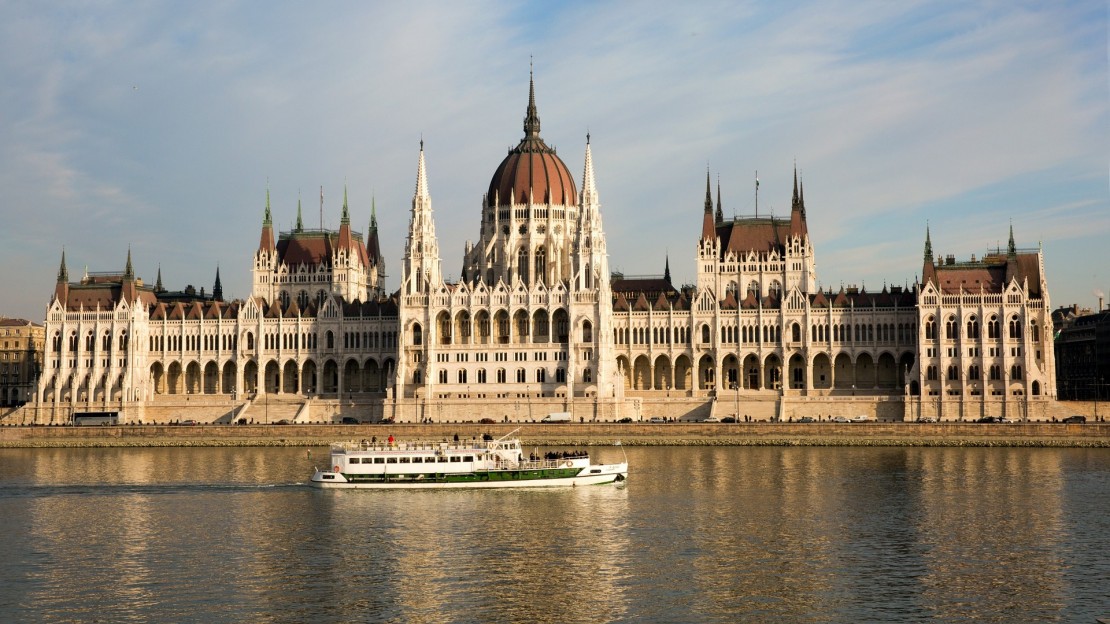
The European Initiative held its 3rd Congress at the beautiful premises of the Hungarian Academia of Science which is situated on the Danube next to the chain bridge with a beautiful view across the river onto the castle of old Buda.
The Hungarian Association for Sports Science and the Hungarian Sports University has provided excellent support and organization for this Meeting. 110 scientists and physicians of 11 countries attended the meeting and listened to the 12 lectures in 4 sessions about the new results and idea for promoting “Exercise in Medicine”. The audience learned about how to deal with specific challenges in different risk groups and patients, how to promote best practice and how mechanisms are better to understand.
The chair of the European Initiative Prof. Jürgen Steinacker of Ulm University expressed his gratitude to the organizers and outlined the further development of the Initiative which will be promoted during the next months. The conclusion of a Memorandum of Understanding between ACSM and EIEIM includes the equal right of distribution between boarders of the oceans, good cooperation and protection of the national territories. The introduction of an Advisory Committee for cooperate and industrial sponsors and an application for the European Community to support national committees in their spread of Exercise in Medicine in their countries will be the next tasks.
The next EIEIM Congress will be held in 2015 and Croatia expressed their interest to host this congress in Zagreb.
2nd EIEIM Conference
Frankfurt a. M., September 6, 2013
Physical Activity and Sedentarism
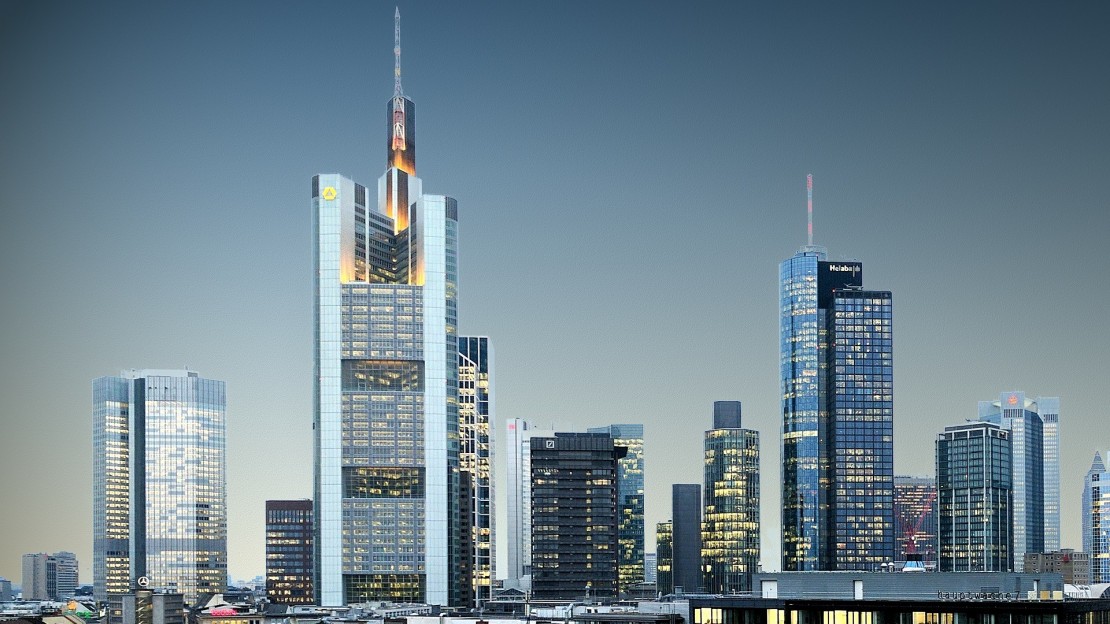
The 2nd Congress of Exercise is Medicine was held in Frankfurt. The European Initiative has been officially established. Just as the year ago in Berlin, excellent international speakers from France, the Netherlands, Switzerland, Portugal and even the USA, gave lectures about the topic “Activity in Medicine”. Attendees from 10 European countries participated.
The Members of the Foundation Committee gathered in Barcelona on the 27th June 2013 to establish the European Initiative according to German law. The name “European Initiative for Exercise in Medicine (EIEIM)” was given and a subtitle “Rebranding medical counseling for health” which expresses the main object of the Initiative. Besides to the signing of the statutes, a cooperation with the American Initiative “Exercise is Medicine” was elaborated as well as a “Memorandum of Understanding” which grants the European Independence and supports a worldwide cooperation.
After the start-up period of EIEIM, the 2nd Congress in Frankfurt was the perfect occasion to fill the Initiative with content and life. First aims were decided. The main aim is to train and educate Physicians to make a better and adequate counseling for their patients possible and to sensitize their patients for the topic “physical activity and exercise”. EIEIM plans to initiate a certified specialist training for general practitioner. The European Initiative campaigns for more knowledge about physical activity as a preventive and rehabilitative measure and attempts to integrate this content in courses for physicians and students. This aim can only be reached with the help of political cooperation like the European Commission. First Meetings with delegates of the sports unit took place.
1st EIEIM Conference
Berlin, October 4-6, 2012
Exercise is Medicine Europe
From Oct 4 ‐6 the first congress of the “European Initiative for Exercise in Medicine” (EIEIM) took place in Berlin and it was a great success. It marks a mainstay and the development of European programs promoting physical activity and exercise in the diagnostic and therapeutic approaches of
medicine as well as in the whole society. At the meeting 101 participants from 15 countries were registered, in the DGSP conference 1114 person from 28 countries participated. For the scientific program excellent international speakers were invited.
Additionally, Jacob Kornbeck from the Sports Unit of the European Commission (EC) gave an introductory speech. After the congress Susanne Hollmann, the leader of the EC Sports Unit, wrote that the European Commission is looking forward to cooperate further closely with EIEIM. Therefore we are aiming strong networks with the European Commission. First goals of EIEIM are to establish a network throughout Europe and to support national initiatives and societies. Furthermore, the relation to the American College of Sports Medicine (ACSM) will be fostered under the premises of a fair and transparent partnership and common development of our common goal to promote exercise and sport in the world. The approach of EIEM is much broader than the field of specialized Sports Medicine and exercise and sport should be promoted in the whole medical field which generates more broadness than a restriction to Sports Medicine specialists. In the National Initiatives for EIEIM we state that Sports Medicine associations are important and we also would strongly suggest that a physician is head of each national initiative. But it is very important that other medical professions like general physicians or other physician specialists are
part of the initiative which extends the limits of normal sports medicine.
This would also create a possibility to promote a basal level specialisation for Medical Doctors like a Diploma, which is now open if the European Sports Medicine Specialist is coming. Other participants including the government, sports sciences, physical therapists, insurances and other actors in the field of public health.